
Preventative Botox: Is Your 20s Too Early to Start?
Scroll through social media long enough and you'll see plenty of twenty-somethings talking about their "preventative Botox" appointments, and it's natural to wonder whether that's smart planning or getting ahead of yourself. The truth sits somewhere in the middle: preventative Botox is a legitimate approach for some people, but it isn't a universal must-do for every twenty-five-year-old, and the right answer depends on your skin, your expression patterns, and your goals.
What "Preventative" Actually Means
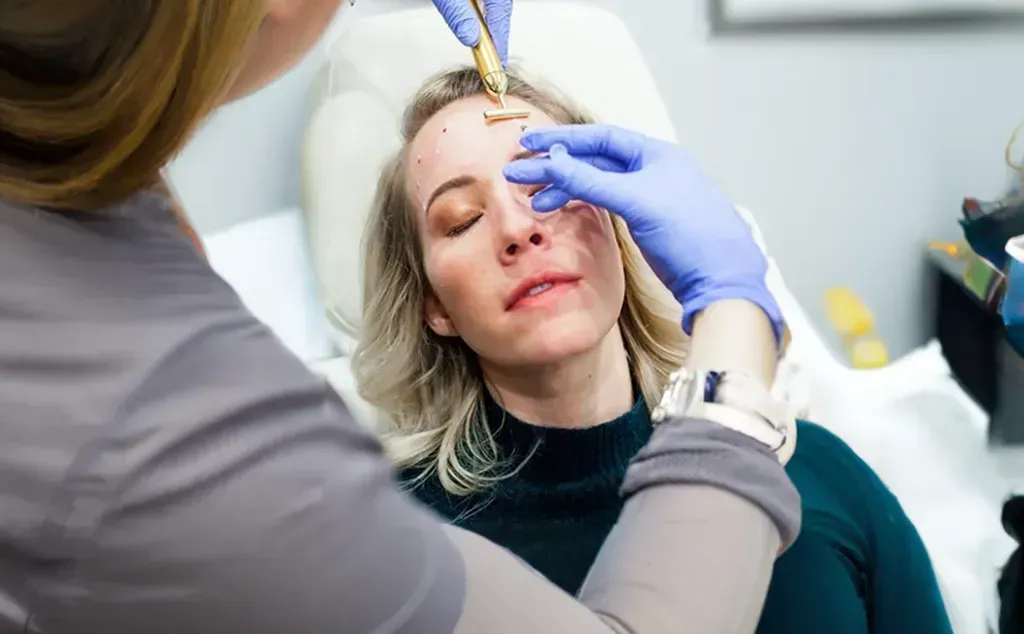
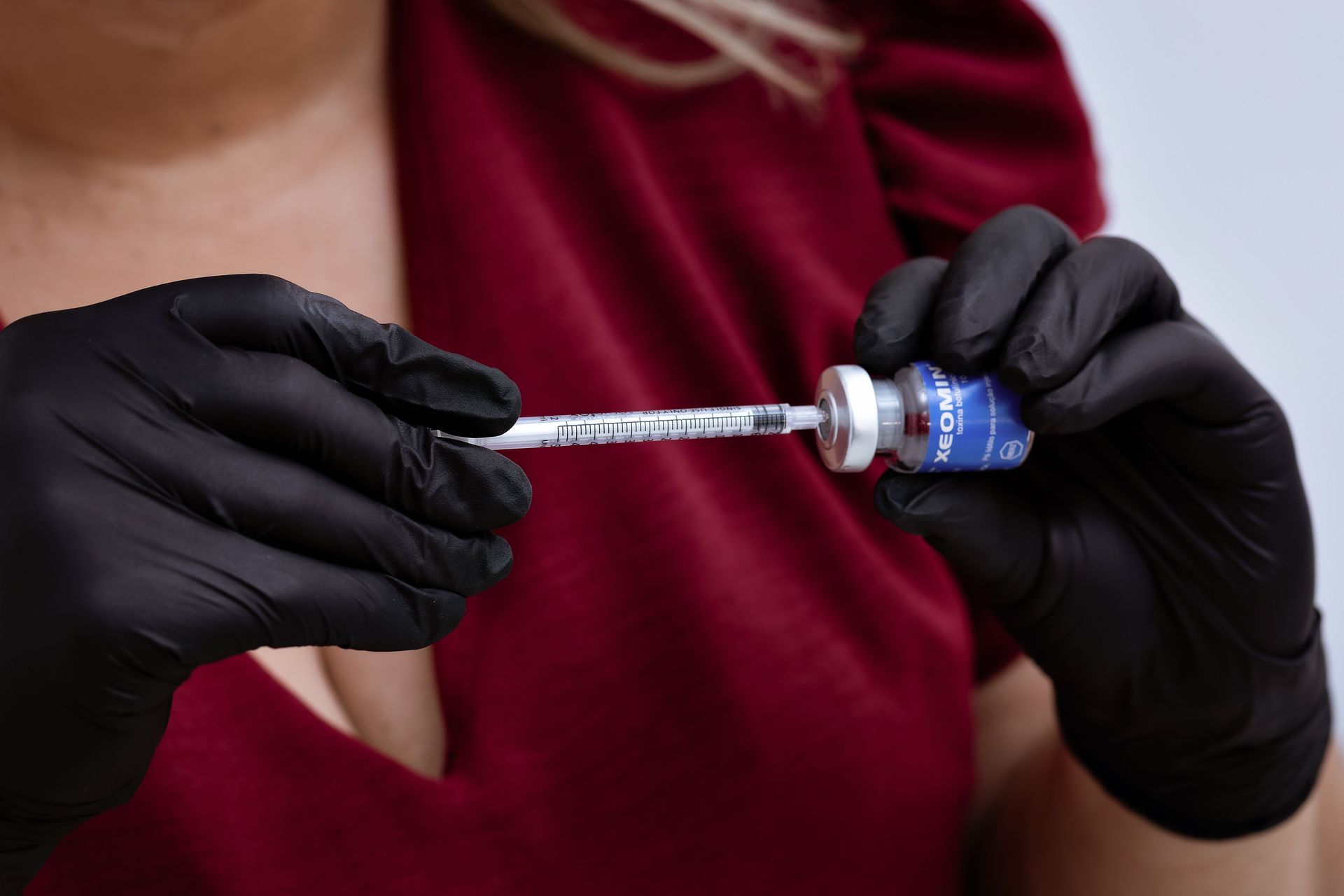
Preventative Botox refers to starting neuromodulator treatments before deep, etched-in wrinkles form, with the idea of relaxing the muscles that create repetitive expression lines — like forehead furrows, crow's feet, and frown lines — before those creases become permanent at rest. The theory is straightforward: if a muscle contracts less over years of frowning or squinting, the skin above it has less reason to fold into a static wrinkle. This isn't about freezing your face at twenty-five; it's about slowing the formation of lines you'd otherwise develop in your thirties or forties.
Who Tends to Benefit Earlier
Not everyone needs to start young. People who benefit most from earlier treatment are often those with expressive faces, strong forehead or frown muscles, early "etching" of lines that are starting to show even when the face is relaxed, or a strong family history of early wrinkling. Sun exposure, smoking history, and skin type also play a role. If you've noticed a faint line between your brows that's visible even when you're not frowning, that's often a signal worth discussing with a provider, regardless of your age.

What to Realistically Expect
Preventative treatment usually involves lower doses spaced out less frequently than a full anti-aging regimen, since the goal is subtle muscle relaxation rather than dramatic softening of existing lines. Most patients still see natural movement in their face — this isn't about looking expressionless, it's about interrupting the specific repetitive motions that cause creasing. Results typically last three to four months, similar to any Botox treatment, and your provider will help determine an appropriate interval based on how your skin and muscles respond over the first year or two.
Is It Right for You, or Should You Wait?
If you're in your twenties with smooth skin and no visible lines at rest, there's no urgent need to start. Good sun protection, a solid skincare routine, and healthy habits go a long way on their own. But if you're already seeing lines, have a family history of pronounced wrinkling, or simply want a conversation about your options, there's no harm in getting an expert opinion sooner rather than later. This is a personal decision, not a race. It should be based on your actual skin and goals rather than a trend. During a consultation for wrinkle treatment, your provider will assess your facial muscles and expression patterns and give you an honest recommendation, including whether waiting is the better choice for you right now.
Building Good Habits Alongside Treatment
Whether or not you start Botox in your twenties, this is a great decade to build habits that protect your skin long-term: daily SPF, a retinoid if your skin tolerates it, and avoiding excessive sun exposure. Botox, preventative or otherwise, works best as one piece of a broader approach to skin health rather than a stand-alone fix.
f you're curious about whether preventative treatment makes sense for you, the best next step is an honest, no-pressure conversation with our team. Call Skin & Tonic at (850) 966-9099 to schedule a consultation and get answers specific to your face.
Skin & Tonic is part of Dr. Chris Croley's family of aesthetic and wellness practices based in Pace, FL. Our Medical Director, Dr. Croley, is a nationally recognized aesthetic physician, educator, and media expert — learn more about his work at drcroley.com. For patients exploring men's sexual health and performance, Skin & Tonic also offers Performance P-Wave, a non-surgical therapy for erectile dysfunction and men's wellness — learn more at performancepwave.com.